AK-47
Exploring Africa's bizarre love affair - A Valentine's Edition

Dearest gentle reader, (this is a not-so-gentle subject, but love is complicated).
There is a sound that haunts Africa’s soil, the sharp, metallic staccato of an AK-47. It cuts through the humid air of the Congo basin, echoes across the dry Sahel, and crackles through the alleyways of Mogadishu. It is the sound of war, of rebellion, of freedom, of survival. The AK-47 has become more than just a weapon in Africa. It is an icon, a symbol of both liberation and oppression. It has written itself into the continent’s political DNA, as permanent as the rivers and mountains that shape the land.
The story of Africa’s love affair with the AK-47 began far from its shores, in the cold factories of Soviet Russia. In 1947, Mikhail Kalashnikov, a tank commander scarred by the brutality of World War II, designed a rifle that could withstand mud, water, and neglect, yet still fire with deadly accuracy. The Avtomat Kalashnikova was a marvel of brutal simplicity. 8 pounds of stamped steel and plywood, capable of firing 600 rounds per minute, with a design so intuitive a child could learn to strip and reassemble it in minutes. Kalashnikov intended it as a tool of Soviet defence. Instead, it became the weapon of choice for revolutions.
The AK-47 reached African soil in the 1950s, smuggled through Cold War pipelines as the Soviet Union and the United States turned the continent into a chessboard for their ideological games. Moscow flooded liberation movements with crates of Kalashnikovs, seeing in African nationalism a chance to weaken Western colonial grip. From the bush wars of Zimbabwe to the guerrilla campaigns of Angola and Mozambique, freedom fighters marched under the red star with Kalashnikovs slung over their shoulders.
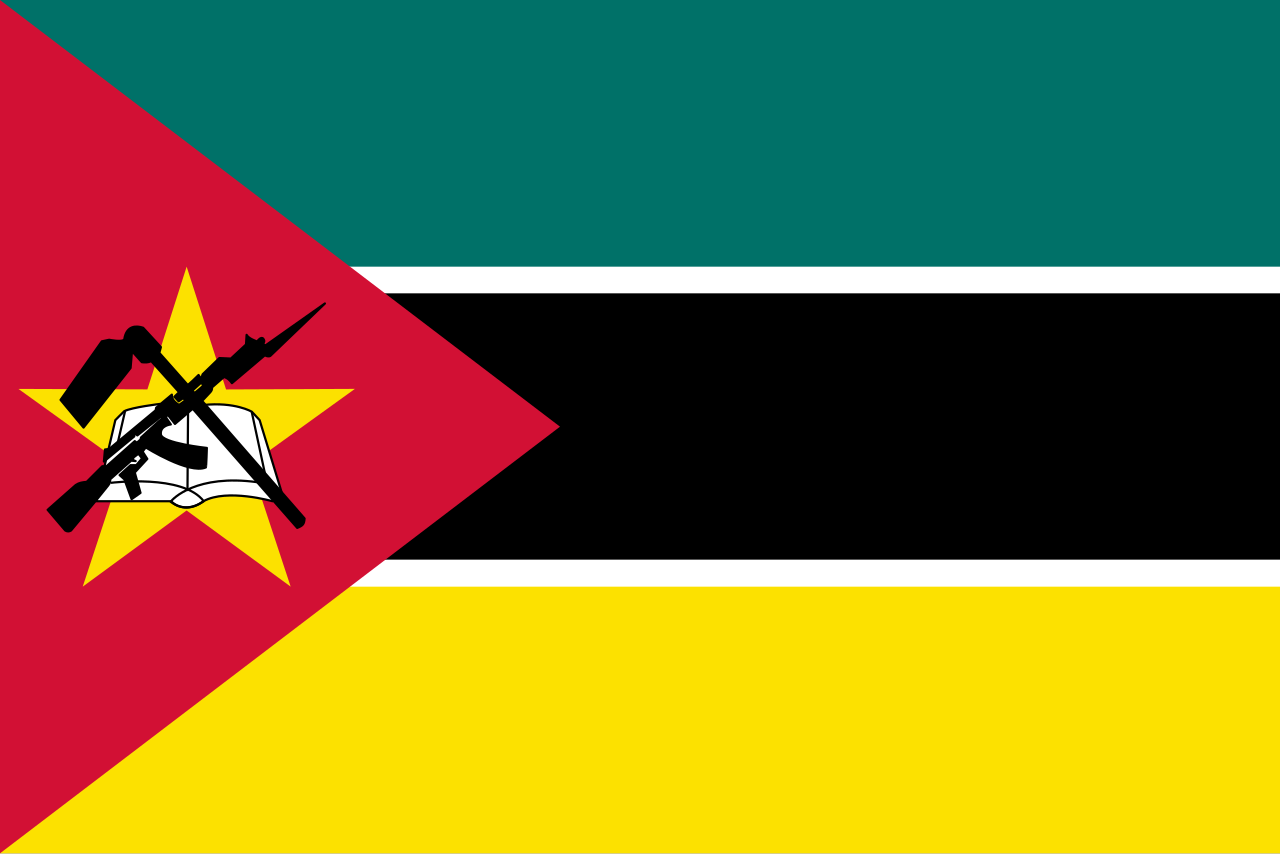
It was in the hands of revolutionaries that the AK-47 became a myth. In Mozambique, the rifle was so closely tied to the struggle for independence that it appears on the national flag to this day, crossed with a hoe to symbolise the twin pillars of agriculture and resistance. The liberation armies of Zimbabwe, Namibia, and South Africa raised their Kalashnikovs high when colonial flags were lowered for the last time.
But revolutions, like rivers, change course. The rifle that had once stood for freedom became a tool of oppression. African leaders, once rebels themselves, turned the AK-47 inward. After independence, the gun became the preferred tool of strongmen and warlords. Joseph Mobutu, Idi Amin, and Charles Taylor armed their militias with Kalashnikovs, using them to terrorise the very people they had once promised to protect.
In Liberia and Sierra Leone, boy soldiers, some as young as ten, slung Kalashnikovs over their thin shoulders, high on amphetamines and fear. The rifle’s light weight and low recoil made it deadly in the hands of children. Ahmadou Kourouma’s Allah is Not Obliged lays bare the brutal intimacy between African child soldiers and the AK-47. The narrator tells of how he was handed an AK-47 and taught to kill with the cold precision of an adult soldier. The rifle becomes an extension of the child, blurring the line between innocence and violence. "You fire, you kill, you survive." In Kourouma’s world, the AK-47 is both a lifeline and a curse.
Even when peace was declared, the AK-47 remained. It filtered into the black markets of Mogadishu and Benghazi, trafficked by smugglers and insurgents. The fall of Muammar Gaddafi in 2011 opened vast stockpiles of Libyan arms, pouring Kalashnikovs into the hands of Tuareg rebels in Mali and jihadist groups across the Sahel. In Nigeria, Boko Haram fighters wielded battered AK-47s as they swept through villages, leaving behind burnt-out homes and empty cradles.
The Kalashnikov is democratic in its reach. A fresh AK-47 can be bought for less than $300 in many parts of Africa, cheaper than a cow. In the Democratic Republic of Congo, a militiaman’s payment is sometimes measured in bullets, not currency. In South Sudan, entire dowries have been paid in rifles rather than cattle. Somali pirates have stood at the bows of their skiffs with Kalashnikovs raised, claiming ransom from ships treading their waters with the same weapon that once fought for liberation.
Yet the AK-47 retains its strange allure. It appears on murals in Soweto and T-shirts in Nairobi. It has been romanticised in African hip-hop and reggae, immortalised in the verses of Fela Kuti and Bob Marley. Even those who have never held a Kalashnikov know its outline: the curved banana magazine, the wooden stock, its barrel. It is the weapon of both hero and villain.
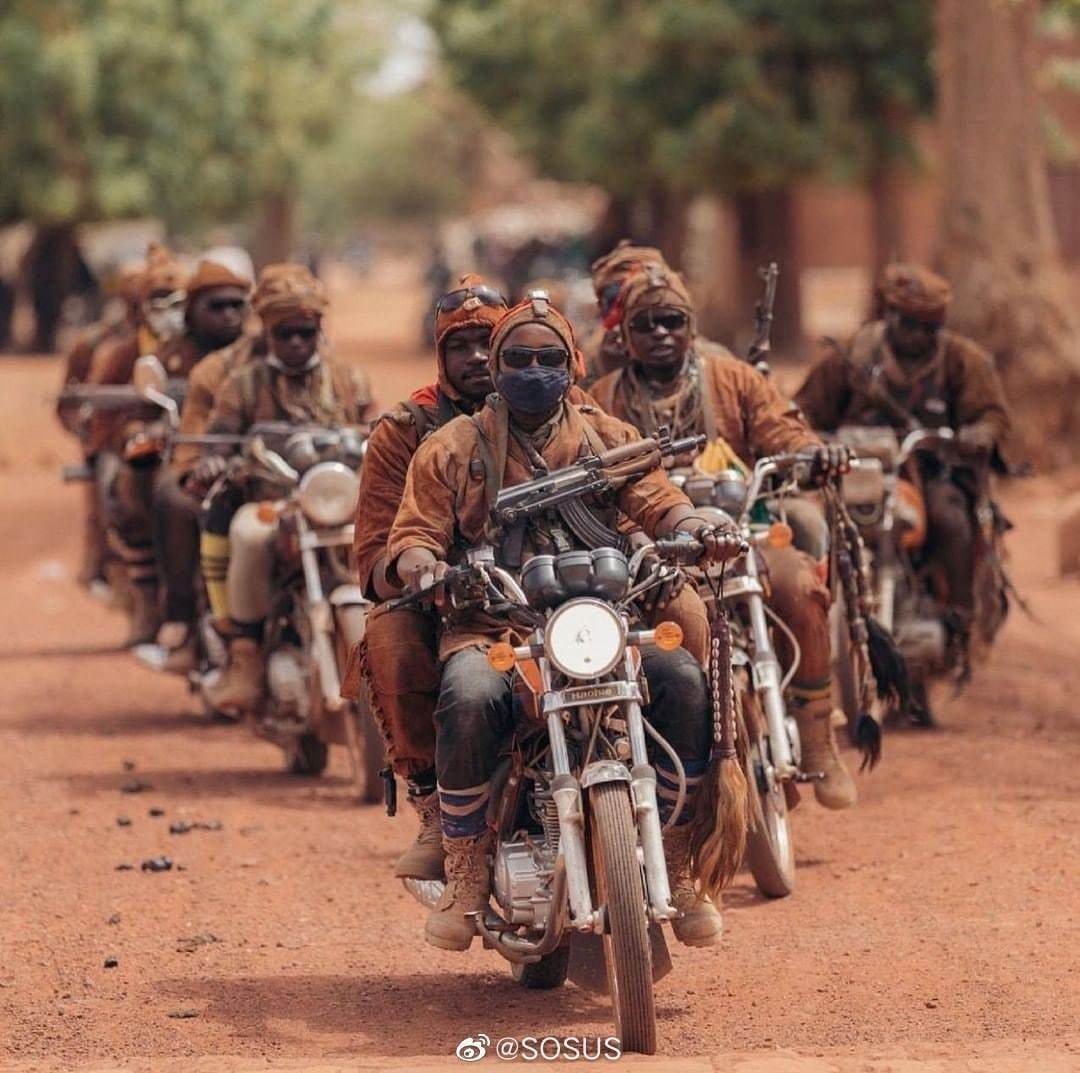
Mikhail Kalashnikov once lamented that he wished he had invented a machine to help farmers instead of a weapon that had killed so many. But the AK-47 is more than just a killing tool in Africa, it is a symbol of power, fear, and defiance. It is the sound of regimes falling and rising, the echo of wars fought long after peace treaties have been signed. In African hands, the AK-47 has been both sword and shield, liberation and oppression, and through it all, it has remained constant. The gun stays cocked, waiting for the next chapter of history to be written with fire and lead.
Excellent my brother excellent. Thank you
watch me use the full name from now on😆, thanks!